

Dealing with the UK’s healthcare system, especially the wait to see a doctor, can test your patience in ways that feel timeless and monumental luckypharaohcasino.com. We all appreciate the hard work of the NHS, but the experience of waiting rooms and booking delays is something most of us know all too well. Meanwhile, in a entirely separate corner of entertainment, the chase for excitement takes a far more thrilling shape with the Lucky Pharaoh Slot. This online game exploits that sense of expectation and reward, converting the idea of a “queue” into a rush of spinning reels and possible jackpots. This is a humorous look at two distinct worlds: the necessary grind of medical scheduling and the optional rush of slot gaming. It illustrates how people in Britain today manage their health and their free time, balancing required patience with the pursuit of something immediately captivating when they finish work.
Understanding Slot Mechanics: Beyond Just a Spin

The Lucky Pharaoh Slot operates on smart mechanics designed to be entertaining and fair. Its core uses Random Number Generators (RNGs). These are complex algorithms that make sure every spin’s outcome is totally independent and random, similar to shuffling a deck of cards. You’ll find features like Wild symbols, frequently shown as the Pharaoh’s mask, which can act for other symbols to finish a winning line. Scatter symbols, maybe the iconic Eye of Horus, usually trigger bonus rounds or free spins regardless of where they land. Then appear the bonus games themselves. These might let you choose artefacts to discover instant prizes or take you through a tomb to uncover multipliers. Grasping these parts renders the game less mysterious and helps you play with more awareness. A high RTP, often above 96% in well-regarded games, indicates a better theoretical return over a long period of play. Volatility defines the pattern of wins; high volatility means greater but less frequent payouts, while low volatility means more modest, more regular ones. These are not just jargon. They shape the rhythm of your session, deciding whether you’ll see numerous small wins or be chasing less common, larger jackpots.
- Reels & Paylines: Commonly 5 reels with several fixed or adjustable paylines where matching symbols land.
- RTP (Return to Player): A theoretical percentage representing the long-term expected payback to players.
- Volatility: Describes the risk profile—high volatility means larger but less frequent wins, low volatility means more modest, more regular payouts.
- Bonus Features: Free spins, pick-me games, and expanding wilds that boost gameplay and winning potential.
- Bet Size Configuration: The capability to adjust coin value and bet level per spin, allowing exact control over your stake.
Step into the Lucky Pharaoh Slot: Rapid Anticipation, Rapid Action
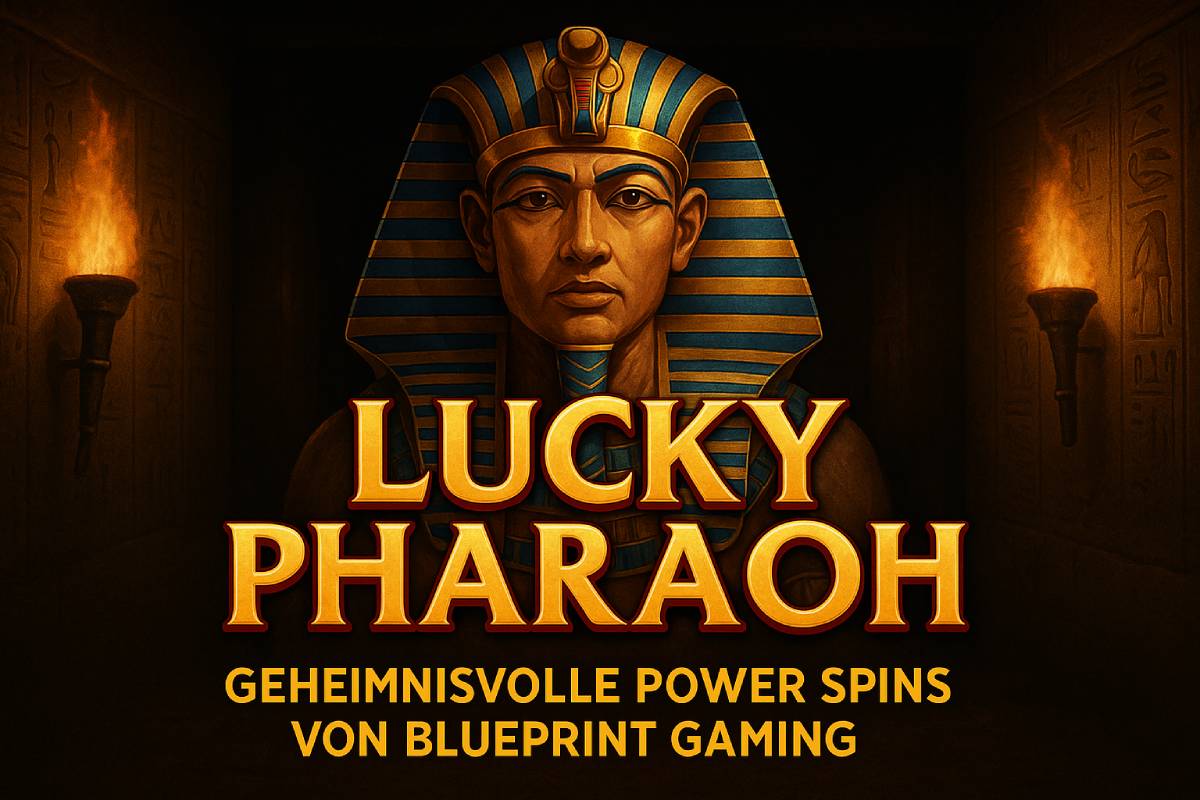
If the medical queue instills patience, the Lucky Pharaoh Slot is all about immediate focus and immediate results. You don’t start the game into a crowded waiting area. You land on the sun-baked sands of ancient Egypt. Symbols like scarabs, pyramids, mysterious pharaohs, and golden artefacts appear with a promise of adventure. There’s no hold music. No estimated wait time. Just lively graphics and a stirring soundtrack creating the scene. One click or tap sets the reels spinning, and you get your outcome in seconds. This fast cycle of build-up, action, and result is a compelling kind of digital escape. It changes waiting from a passive state into an engaging pursuit. Every spin is a fresh chance, a new little story that starts right away. The difference from the frustrating timelines of essential services could not be bigger. The game’s interface is built for zero friction; you’re never more than a couple of clicks from the main action. This immediacy is key to its appeal. It provides a satisfyingly direct feedback loop that people now expect from their digital lives, whether they’re ordering a takeaway or starting a new TV series.
The Mindset of the Line vs. The Psychology of the Turn
On a psychological level, anticipating a doctor and spinning a slot game function on totally different concepts. The medical wait is frequently a source of stress. It involves a loss of control, health anxieties, and a sense of wasted time. It generates a passive, anxious form of anticipation where the outcome is unknown and could be bad. The Lucky Pharaoh Slot, on the other hand, applies a mechanism called variable-ratio reinforcement. This is the same psychological hook that makes swiping through social media so addictive. The player knows a win could hit on any spin, but the exact time is uncertain. This builds a powerful pattern of expectation and payoff. The game gives you a impression of autonomy (you choose when to spin) and delivers immediate response, which is rewarding by itself. One queue addresses the significant, unavoidable parts of life. The other offers a regulated, optional space where risk is restricted to amusement, and the “treatment” is a dose of exhilarating fun. The game’s sounds and visuals, joyful jingles for wins and flashy animations, give positive encouragement that you just don’t get in a healthcare waiting process. This basic difference in emotional composition accounts for why one activity can make you drained and the other can be energising, even though both entail waiting for a result.
Shared Experience
Waiting for a doctor can feel like a isolating ordeal, but both healthcare and gaming have robust social aspects. These days, fans of Lucky Pharaoh Slot often share their stories in online forums, social media groups, and on review sites. They rejoice in major victories, debate strategies for bonus rounds, and unite around a shared love of the theme. This builds a sense of belonging and shared excitement. In a similar way, patients link through support groups and online communities to discuss insights about healthcare waits and medical conditions. The tone of these communities is very different, though. One concentrates on mutual support through a tough time, the other on enhancing fun and shared enthusiasm. Both demonstrate our human need to bond over common ground, whether we’re managing life’s difficulties or its more playful moments. The gaming community often reaches to watching live streams of popular players, joining tournaments with leaderboards, and sharing screenshot “brags” from a successful bonus round. This social layer introduces a competitive and collaborative dimension that makes the experience richer, turning a solo activity into a connected one, even if that connection is purely digital and focused on leisure.
Narrative and Theming: An Ancient Egyptian Escape
The Lucky Pharaoh Slot is a showcase in captivating theming, offering a full narrative escape. The ancient Egyptian theme goes beyond a facade; it’s embedded into every part of the game. The graphics are rich with hieroglyphic motifs, golden sands, and grand tomb interiors. The audio uses evocative melodies and the satisfying clink of simulated treasure. Every element tells a piece of the tale, the scarab beetle for rebirth, the ankh for life, the ruler for authority and intrigue. This integrated storytelling whisks you, providing your thoughts a holiday from everyday concerns. It’s a type of engaging leisure that ignites the imagination. That’s a sharp contrast to the clinical, often anxiety-producing environment of a doctor’s waiting room. This potent escapism is central to the game’s allure, making each session feel like a small adventure. Developers often expand on this theme in special rounds. You could have to unlock a pharaoh’s sarcophagus or interpret hieroglyphs to discover multipliers, rendering you an engaged part of the story instead of just viewing it. This degree of commitment to the theme creates strong brand recognition and player retention, something a standard service queue neither aims for nor offers.
Safe Gambling: Setting Your Own “Surgery Hours”
Just as we look after our health responsibly, trying games like the Lucky Pharaoh Slot demands a deliberate and structured approach. Responsible gaming is vital. View it as a leisure activity with clear personal boundaries, like establishing your own “surgery hours” for fun. This means determining firm limits for both time and money before you even begin playing. Trustworthy UK platforms offer key tools to aid with this. Learning how to use them is just as important as grasping the game rules. It’s about handling things proactively, not experiencing guilt afterwards. Configuring a deposit limit, for example, is a one-time action that prevents you from overspending in the moment. Time-outs can be employed after a planned session to ensure a cool-down period.
- Deposit Limits: Predetermined maximum amounts you can deposit daily, weekly, or monthly.
- Time-Outs: The option to take a short break from gaming, from 24 hours to several weeks.
- Self-Exclusion: A longer-term block from an account, a vital tool for anyone who requires a significant break.
- Reality Checks: Periodic pop-up notifications that inform you how long you’ve been playing.
- Loss Limits: A less common but powerful tool that limits the amount you can lose in a set period.
- Transaction History: Easy access to full records of all deposits, bets, and withdrawals for complete transparency.
The NHS Waiting Room The Truth of Contemporary Medicine
For millions of people in the UK, the route to medical advice starts with a well-known routine. You ring the GP surgery at precisely 8am, work your way through automated messages, and are frequently informed it will be a number of weeks before you can get a routine appointment. This setup, under pressure from huge pressure and insufficient funding, produces a environment of waiting that is often accompanied by worry. People end up managing minor illnesses on their own for longer, concerned about adding to the pressure, while more serious conditions may not be detected as quickly. The “queue” is a combination of online and in-person queuing, a holding pattern that forces you to wait. It’s a shared national experience, talked about in online forums and everyday conversations. Frontline staff work hard, but the structural delays are a common feature of life in Britain now. This atmosphere of waiting is entirely different from sectors designed for instant action, where the next moment guarantees something concrete and potentially rewarding. The waiting time varies greatly by where you live, adding a geographical lottery to an already stressful situation. Even the shift towards digital triage with online forms, designed to make things smoother, can sometimes pose another obstacle instead of streamlining access for everyone.
Accessibility and Convenience: From Clinic to Sofa
Convenience is an additional significant point where these two realms differ. Going to a medical appointment involves travelling, taking leave from work, and attending in person. The Lucky Pharaoh Slot, however, is playable 24 hours a day, seven days a week, from almost any smartphone, tablet, or computer in the UK. This ease transforms everything. You can spin during a commute, on a lunch break, or from your sofa at home, turning spare minutes into a bit of adventure. You do not have to book ahead. There’s no concern of missing your slot. No travel costs. This on-demand model aligns with a wider shift in how we experience entertainment and even services. It puts control squarely in the user’s hands, permitting for short bursts of fun that slot into busy modern lives. It presents a very different model to the scheduled, location-bound nature of traditional appointments. The game only demands a stable internet connection and an account with a licensed UK operator. That erases almost all geographical and time barriers. This easy access lies in sharp contrast to healthcare, where your access can depend heavily on your postcode, your mobility, and whether you can get time off during the standard nine-to-five.
Looking Ahead of Digital Engagement
Putting a doctor’s appointment queue next to a digital slot game highlights a bigger trend: the shift towards immediate, user-controlled experiences. We can see the NHS itself starting to use more digital tools, like video consultations and app-based booking systems, trying to cut wait times and improve access. At the same time, the online gaming industry keeps innovating with better graphics, interactive bonus features, and even social multiplayer elements. The future indicates more personalization and immediacy in both fields. Their core purposes will always be distinct, one essential for health and the other for leisure. But the public’s growing anticipation for efficient, engaging, and accessible digital interfaces is a common thread. Acknowledging this shift helps us handle both our essential services and our chosen entertainments better in modern Britain. We might see more integration in design thinking. Healthcare apps could learn from the engaging, user-friendly interfaces of popular games to improve how patients follow advice and feel about their care. Gaming will likely incorporate responsible play tools more seamlessly into the experience, making safety as intuitive as play. The direction for both is clear: reduce friction, give users more control, and use technology to meet modern demands for how services and engagement should work.